Innovative Teaching Methods
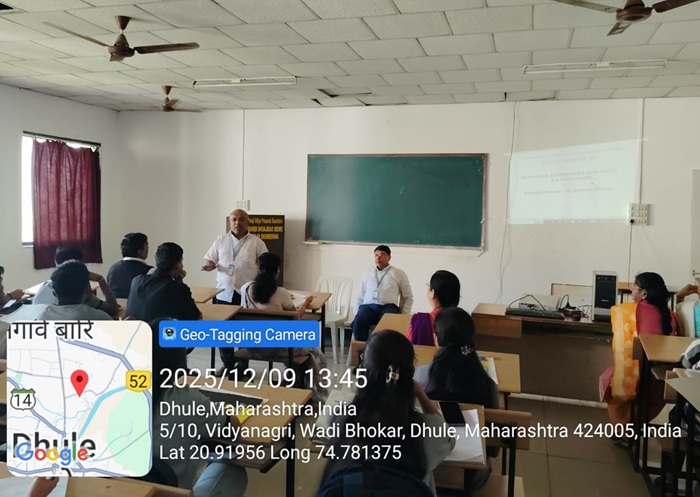
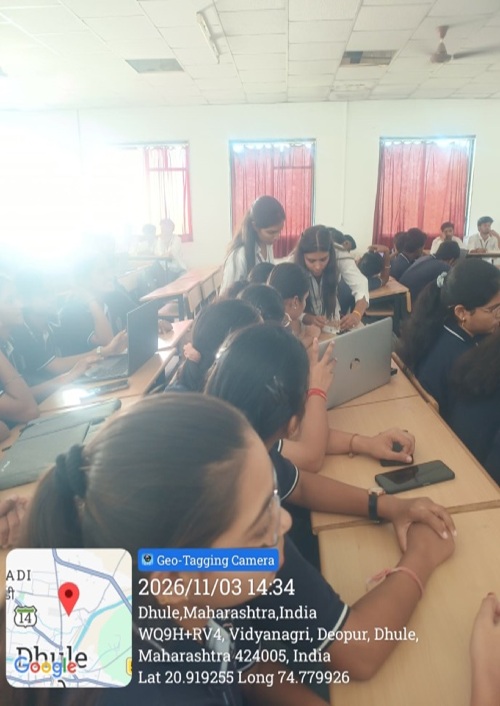
The Department of E&TC Engineering continuously adopts innovative, student-centric teaching-learning methodologies to promote active learning, enhance conceptual understanding, and develop practical skills aligned with the principles of Outcome-Based Education (OBE). These activities complement conventional classroom teaching by encouraging experiential learning, collaborative problem-solving, critical thinking, and effective use of modern educational technologies. The department regularly integrates the following innovative practices into various courses to improve student engagement and overall academic performance.
1. Chalk and Talk Method
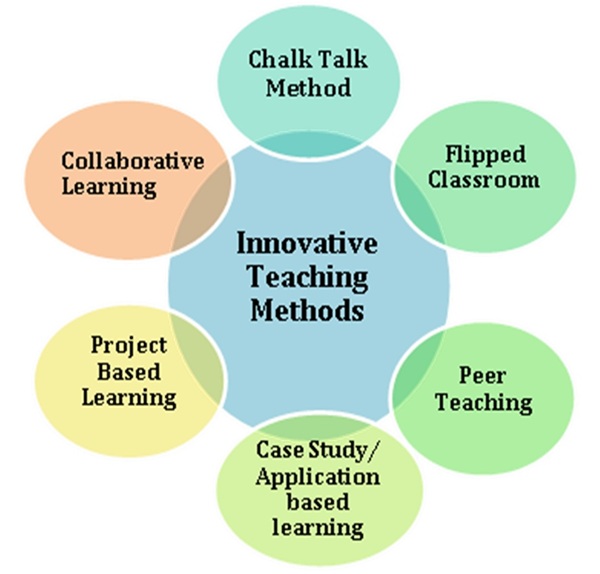
The faculty members use the traditional Chalk and Talk method to explain fundamental concepts in a simple and systematic manner. While teaching, the instructor simultaneously explains the concepts and illustrates them using the classroom board through diagrams, derivations, calculations, and flowcharts. This method enables step-by-step learning, encourages active participation, improves note-taking habits, and allows immediate clarification of students doubts.
2. Project-Based Learning (PBL)
Students undertake curriculum-based mini and major projects to solve real-world engineering problems. They apply theoretical knowledge to the design, analysis, fabrication, and testing of engineering systems. This approach promotes experiential learning, innovation, teamwork, project management, and problem-solving skills while enhancing their industry readiness.
| Sr. No. | Name of Activity | Purpose of Activity |
|---|---|---|
| 1 | Projects | To provide students with opportunities to collaboratively apply theoretical knowledge to real-world engineering problems, develop teamwork and problem-solving skills, and integrate knowledge from different areas of engineering. |
| 2 | Mini Projects | To develop students’ ability to work collaboratively in small teams on practical engineering problems and to enhance their skills in planning, designing, experimentation, analysis, documentation and presentation. |
3. Collaborative Learning (Group Assignments)
Students are divided into small groups to complete assignments, tutorials, and design activities collaboratively. Group-based learning encourages knowledge sharing, peer interaction, critical thinking, and effective communication. It also helps bridge learning gaps by allowing students to learn from one another while developing leadership and teamwork skills.
Activity Related Collaborative Learning
| Sr. No. | Name of Activity | Purpose of Activity |
|---|---|---|
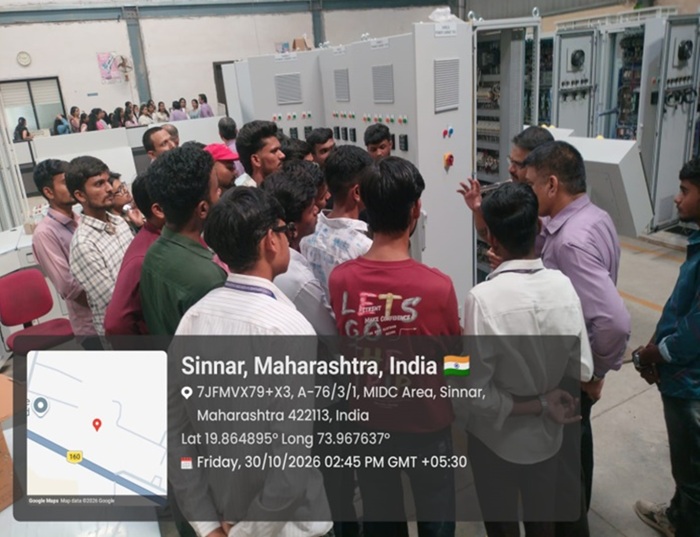
| 1 | Industrial Visit | To provide students with first-hand exposure to industrial practices, manufacturing processes, machinery, quality systems and workplace practices while promoting collaborative observation, discussion and learning among students. |
| 2 | Internship/Industrial Training | To facilitate experiential learning by exposing students to real industrial working environments and enabling them to collaborate with industry personnel and peers while applying classroom knowledge to practical engineering situations. |
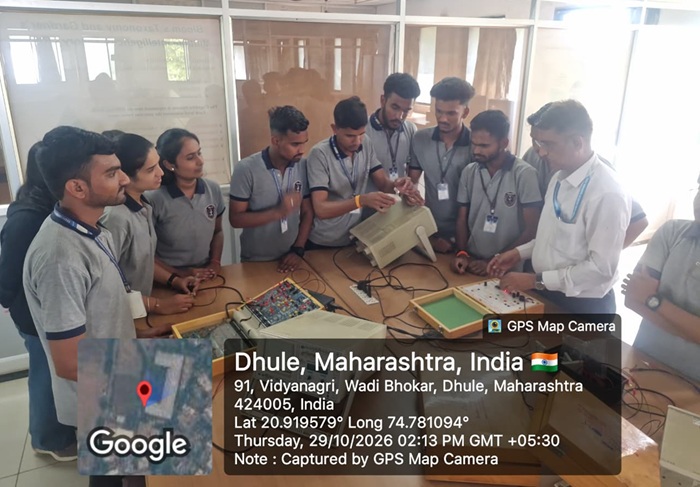
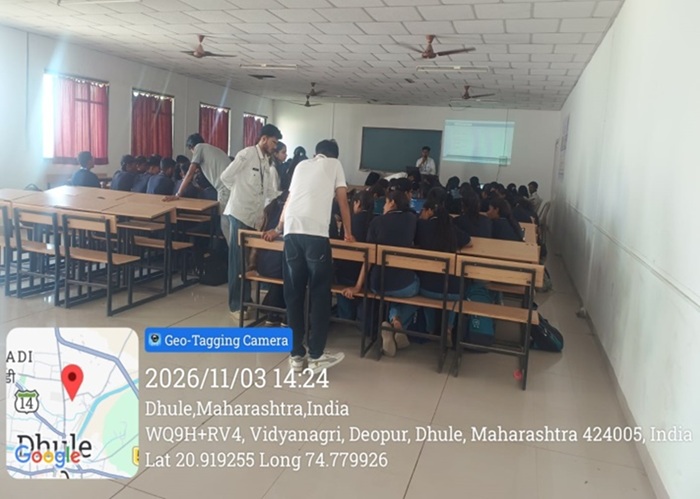
| 3 | Teaching in Classroom and laboratories | To promote active and collaborative learning through group discussions, group assignments, demonstrations, experiments, problem-solving activities and hands-on laboratory work, enabling students to learn from one another and develop communication and teamwork skills. |
4. Flipped Classroom
In the flipped classroom approach, students are provided with learning resources such as lecture notes, videos, presentations, and reference materials before the classroom session. They study the concepts independently, and classroom time is utilized for discussions, numerical problem-solving, doubt clarification, case analysis, and higher-order learning activities under the guidance of the faculty member. This promotes self-learning and active student engagement.
5. Case Study and Application-Based Learning
Faculty members incorporate industrial case studies and real-life engineering applications into classroom teaching. Students analyse practical engineering problems, identify possible solutions, and evaluate different alternatives using engineering principles. This pedagogy strengthens analytical thinking, decision-making ability, and the application of theoretical concepts to industrial scenarios.
6. Peer Teaching
Peer teaching encourages students to explain concepts, solve numerical problems, and conduct discussions with their classmates after mastering a topic. Faculty members act as facilitators by guiding the learning process and providing necessary support. This method enhances conceptual understanding, builds confidence, improves communication skills, and creates a collaborative learning environment.
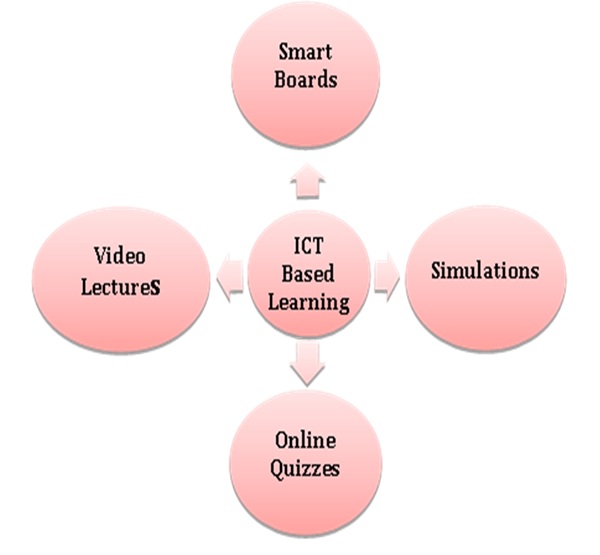
7. ICT Based Learning
Information and Communication Technology tools like smart boards, video lectures, simulations, and online quizzes are used to make learning interactive and accessible.